Sodium Dihydrogen Citrate About
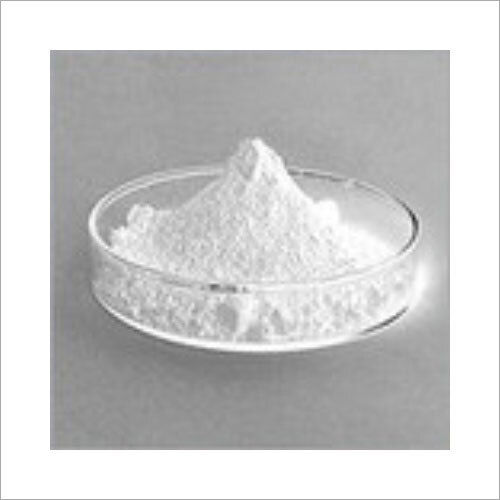
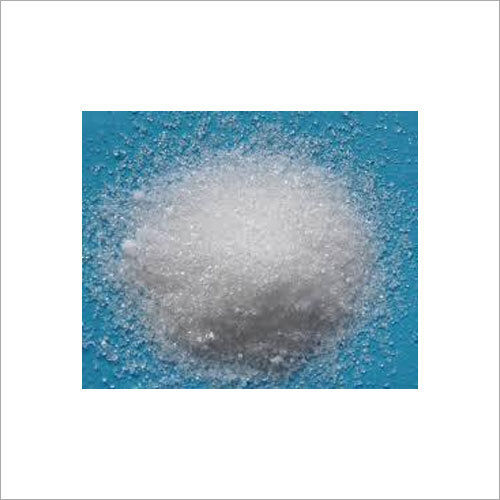
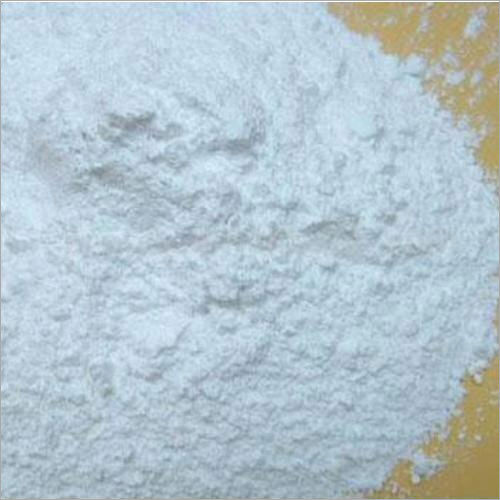
We are successfully meeting the requirements of our clients by offering the best quality range of Sodium Dihydrogen Citrate. It is prepared by partial neutralisation of citric acid with an aqueous solution of sodium bicarbonate. This compound is freely soluble in water and slightly deliquescent in moist air. Sodium Dihydrogen Citrate works by increasing the pH of urine which makes it less acidic. It works as an alkalizing agent and sequestering agent.
Key Physical and Chemical PropertiesSodium Dihydrogen Citrate is characterized by its crystalline form and high solubility in water while remaining practically insoluble in alcohol. With a density of 1.7 g/cm3 and a pH range of 3.6-4.0 for a 1% solution, it is acidic in nature and remains stable at regular temperatures and pressures. The product is odorless and has a slightly acidic taste.
Applications and End UsesThis compound serves various sectors, particularly pharmaceuticals and laboratories, owing to its stability, safety profile, and purity. Sodium Dihydrogen Citrate is also used as a buffering agent in the food industry and as a reagent in analytical procedures. Its non-toxic and non-hazardous nature under GHS classification makes it a practical choice for industrial and research settings.
Packaging and StorageSupplied in HDPE bags or drums as per customer specifications, Sodium Dihydrogen Citrate should be stored at room temperature. Stable under standard conditions, it maintains its efficacy for up to two years when stored away from moisture and direct sunlight, ensuring reliability throughout its shelf life.
FAQ's of Sodium Dihydrogen Citrate:
Q: How should Sodium Dihydrogen Citrate be stored to ensure maximum shelf life?
A: Sodium Dihydrogen Citrate should be stored at room temperature in tightly sealed HDPE bags or drums, away from moisture and direct sunlight. Proper storage under these conditions can preserve its quality and extend its shelf life up to two years.
Q: What are the primary applications of Sodium Dihydrogen Citrate?
A: It is primarily used in pharmaceutical formulations, as a laboratory reagent, and for food industry applications due to its stability, buffering capacity, and high purity. Its non-toxic, non-hazardous nature makes it suitable for both industrial and research purposes.
Q: When does Sodium Dihydrogen Citrate decompose, and can it be boiled?
A: Sodium Dihydrogen Citrate decomposes before reaching its boiling point, with decomposition occurring at temperatures above 300C. As such, it does not undergo typical boiling and should not be heated to excessive temperatures during use.
Q: Where is Sodium Dihydrogen Citrate typically manufactured and supplied from?
A: This product is commonly manufactured and supplied from India, delivered in custom packaging (HDPE bags or drums) as required by customers, and distributed to various pharmaceutical, laboratory, and industrial users worldwide.
Q: What is the benefit of choosing Sodium Dihydrogen Citrate for pharmaceutical and laboratory use?
A: Choosing Sodium Dihydrogen Citrate ensures a consistent, high-purity ingredient (99%) that is non-poisonous, stable under normal conditions, and compliant with USP residual solvent limits. Its non-hazardous classification further enhances safety during handling and transport.
Q: How is Sodium Dihydrogen Citrate used in laboratory settings?
A: In laboratory environments, Sodium Dihydrogen Citrate acts as a buffering agent and reagent in analytical chemistry, facilitating precise pH control and participating in various chemical reactions due to its acidic and soluble nature.








 Send Inquiry


 Send Inquiry