Aluminum Nitrate Chemical Compounds About
We are providing a high quality of Aluminum Nitrate Chemical Compounds to our clients. They are ideally useful in extraction of uranium, petroleum refining and other applications. Apart from these, provided compounds are used for surface acoustic wave sensors deposited on silicon wafers. Aluminum Nitrate Chemical Compounds are a food additive in a limited number of products. These compounds are an inorganic compound that is easy to dissolve in water solvent.
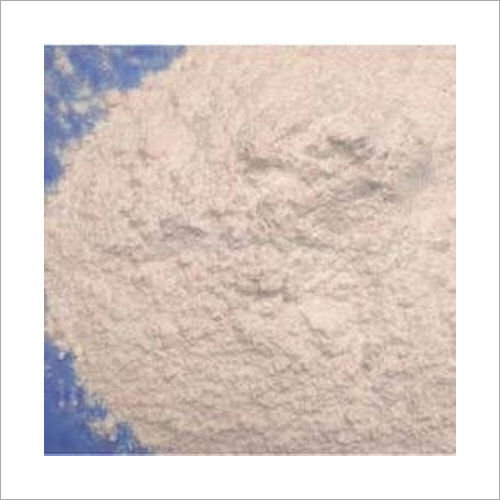
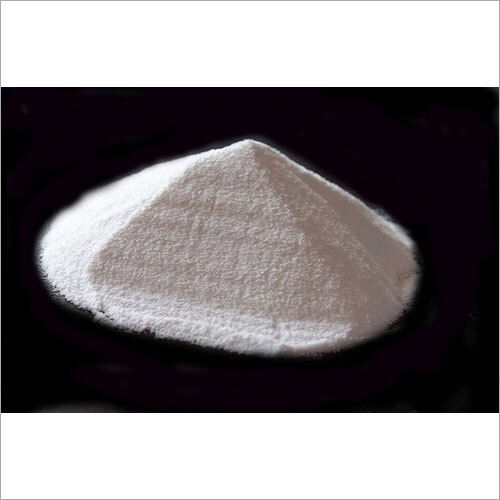
Key Properties and CharacteristicsAluminum Nitrate Nonahydrate possesses notable features: it is highly soluble in water and ethanol, making it suitable for use as an electrolyte and catalyst precursor in industrial operations. Its acidic pH in solution (2 - 4), oxidizing nature, and deliquescent qualities contribute to its versatility. The compound melts at 73C and decomposes at 135C, with a density of 1.72 g/cm3. Its white crystalline appearance and odorless nature ensure easy identification and handling.
Safe Handling and Storage GuidelinesTo ensure stability and safety, Aluminum Nitrate Nonahydrate should be stored at room temperature in tightly sealed containers, away from organic substances and reducing agents, as these could trigger hazardous reactions. The material is classified as an oxidizer (Hazard Class 5.1; UN 1438, Packing Group III), requiring proper labeling and precaution. While low in toxicity, it remains important to avoid inhaling dust or ingesting the powder, using appropriate protective equipment as necessary.
Applications in Research and IndustryThis compound finds significant use in the synthesis of catalysts, as a reagent in pharmaceutical research, and in industrial manufacturing processes where efficient oxidizers are required. Its exceptional solubility and conductivity make it ideal for use in aqueous solutions, supporting diverse laboratory and industrial operations. The reliability and high purity offered ensure consistent results across applications.
FAQ's of Aluminum Nitrate Chemical Compounds:
Q: How should Aluminum Nitrate Nonahydrate be stored to ensure stability?
A: Aluminum Nitrate Nonahydrate should be stored at room temperature in a tightly closed, moisture-proof container, away from organic materials and reducing agents. This prevents possible hazardous reactions and avoids deliquescence, maintaining its stability and shelf life up to 24 months.
Q: What are the primary applications of Aluminum Nitrate Nonahydrate in industry?
A: This compound serves various industrial uses, including catalyst precursor manufacturing, chemical synthesis, and pharmaceuticals research. It is valued for its strong oxidizing properties and high solubility in water, making it suitable for specialized chemical processes and laboratory experiments.
Q: When should safety precautions be implemented during the handling of this chemical?
A: Safety measures should be in place whenever handling Aluminum Nitrate Nonahydrate due to its oxidizing properties and acidic nature in solution. Protective gloves, eye protection, and dust masks are recommended to avoid direct contact, inhalation, or accidental ingestion.
Q: Where is Aluminum Nitrate Nonahydrate commonly used?
A: This chemical is widely used in research laboratories, pharmaceutical production, and various industrial manufacturing settings across India and globally. Its versatility enables applications in numerous scientific and chemical environments.
Q: How does Aluminum Nitrate Nonahydrate act as an oxidizer and what are the compatibility concerns?
A: As an oxidizing agent, Aluminum Nitrate Nonahydrate can react vigorously with organic substances and reducing agents, sometimes resulting in hazardous situations. Therefore, it is crucial to keep it separate from incompatible materials and handle it under controlled conditions to ensure safety.
Q: What benefits does Aluminum Nitrate Nonahydrate offer in catalyst synthesis and research?
A: Offering high purity, excellent solubility, and reliable conductivity, Aluminum Nitrate Nonahydrate enables efficient catalyst preparation and consistent experimental results. Its stable and predictable reactivity streamlines research and industrial development in chemical and pharmaceutical sectors.








 Send Inquiry


 Send Inquiry